US Dollar Reserve Share Falls to 40%
The US dollar’s global reserve share drops from 65% to 40% in 25 years as institutions diversify currency holdings.

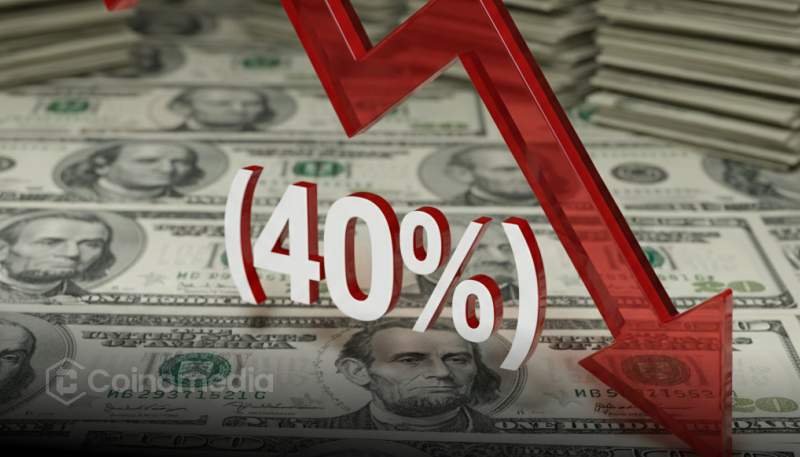
- Dollar reserve share has declined 25% since 2001.
- Institutions are reducing reliance on the US dollar.
- Trend signals a shift in global currency dynamics.
Global Shift Away From the US Dollar
The dominance of the US dollar as the world’s leading reserve currency is steadily declining. According to the latest data, the greenback’s share of global foreign exchange reserves has dropped from 65% in 2001 to just 40% today. This 25-year decline signals a major transformation in the way global institutions view and hold currency reserves.
Central banks and financial institutions around the world are increasingly moving away from overdependence on the US dollar. While the dollar remains the top reserve currency, its shrinking share reflects a shift toward diversification amid geopolitical tensions, changing trade dynamics, and the rise of alternative currencies.
Why Are Institutions Diversifying?
There are several reasons behind the steady decline in the US dollar’s reserve dominance:
- Geopolitical Risks: Sanctions and political pressure linked to US foreign policy have pushed some countries to reduce their dollar exposure to avoid financial vulnerabilities.
- Emerging Alternatives: The euro, Chinese yuan, and even gold are becoming more prominent in global reserve holdings, offering alternatives that are seen as more neutral or strategically aligned with local economies.
- Currency Stability Goals: Diversification helps central banks manage currency risk and reduce exposure to fluctuations tied to US interest rate decisions and inflation cycles.
As a result, global reserve managers are opting for a more balanced basket of currencies.
What This Means for the Global Economy
The decline in the dollar’s share doesn’t mean it will lose its reserve status overnight. However, it does suggest a world gradually moving toward a more multipolar currency landscape.
For crypto and digital asset enthusiasts, this trend is particularly noteworthy. Reduced reliance on fiat currencies like the US dollar could accelerate the search for decentralized alternatives, including stablecoins and digital currencies backed by diverse reserves.
Read Also:
- This New Crypto Protocol Surges 300% While Top Cryptocurrencies Stagnate
- Next Big Crypto to Hit $1? Experts Point to This New Audited Protocol
- Best Crypto to Buy with $500: Analysts Compare Cardano (ADA) and This Cheap Altcoin
- Want the Top Crypto to Invest In? APEMARS Presale Leads With Over 12.4B Tokens Sold, Leaving Dogwifhat and Floki Chasing Momentum
- Bitmine’s 4.47M ETH Bet Faces Sharp Value Drop