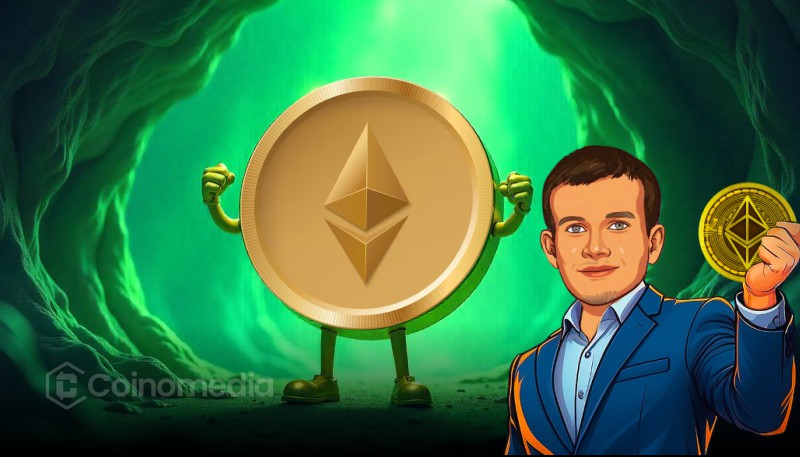
Vitalik Buterin Proposes Hyper-Scaling Ethereum
Vitalik Buterin suggests new ways to hyper-scale Ethereum using moderately scaled states for NFTs and ERC20 balances.

- Vitalik proposes cheaper, restricted state for user assets
- Focus is on scaling Ethereum without full state expansion
- Could make NFTs and ERC20s more efficient and affordable
Ethereum co-founder Vitalik Buterin has unveiled a fresh strategy aimed at hyper-scaling Ethereum. Instead of trying to scale every part of Ethereum’s state equally, Buterin suggests moderately expanding the current state in a smart and controlled way.
The proposal centers on introducing restricted, cheaper forms of state for common user-owned assets like ERC20 tokens and NFTs. In simpler terms, rather than giving every user object full access to Ethereum’s global state — which is expensive and resource-heavy — these objects would get streamlined storage options that serve their purpose more efficiently.
This idea could significantly reduce the cost of interacting with Ethereum, especially for everyday users who simply want to hold tokens or trade digital collectibles.
Why It Matters for Ethereum Users
Today, storing data on Ethereum is expensive. Each contract or asset must use the same state resources, regardless of how complex (or simple) it is. Buterin’s plan introduces the idea that not all data needs the same kind of space.
By giving NFTs and ERC20 tokens lighter, task-specific state allocations, Ethereum can support more users and apps without bloating the entire network. This helps with long-term scalability and makes Ethereum more accessible, especially for newer developers and smaller projects.
Toward a Leaner and Faster Blockchain
This proposal aligns with Ethereum’s long-term scaling goals, such as sharding and rollups. Buterin isn’t suggesting a full-scale overhaul. Instead, he’s advocating for a focused, incremental improvement that could bring immediate benefits to Ethereum’s performance.
If adopted, this change could lead to cheaper transactions, more efficient dApps, and fewer bottlenecks on the main network. It’s a big idea with a lightweight implementation — a clever step toward the dream of a truly global and inclusive Ethereum ecosystem.
Read Also :
- Vitalik Buterin Token Sale Sparks Fresh Talk
- Malta Warns on EU Crypto Rules
- US DOJ Charges Crypto Execs From Singapore
- Bitcoin ETF Inflows Hit $118M as ETH Adds $31M
- Arizona Crypto Bills Speed Toward House Vote