Vitalik Buterin Proposes Onchain Gas Futures for Ethereum
Vitalik Buterin suggests gas futures market on Ethereum to reduce fee volatility and improve user experience.

- Vitalik proposes gas futures to manage Ethereum fee volatility
- The system would allow users to lock in gas prices in advance
- Aims to improve user experience amid growing network adoption
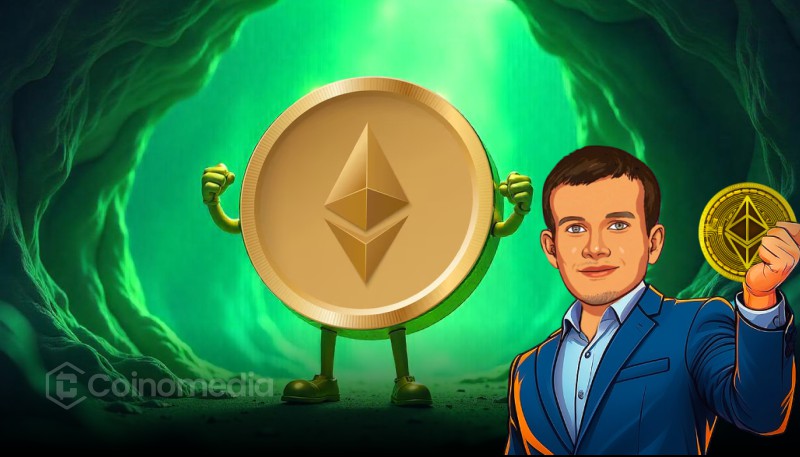
Ethereum co-founder Vitalik Buterin has put forward a new proposal that could reshape how users interact with the network: an onchain gas futures market. This idea aims to address one of Ethereum’s most persistent issues—volatile gas fees. As adoption of the blockchain grows, network congestion often leads to unpredictable and sometimes sky-high transaction costs.
In his latest blog post, Buterin discussed how gas futures could allow users and developers to hedge against fee spikes by locking in prices in advance. Similar to financial futures in traditional markets, these would be smart contracts that commit a user to pay a set gas fee in the future, regardless of actual network conditions.
How Ethereum Gas Futures Would Work
In practical terms, users could buy “gas vouchers” for future use. For instance, if you know you’ll need to run a smart contract next month, you could secure a fixed rate today instead of gambling on future fees. This model offers cost predictability, especially important for developers, DeFi projects, and power users who rely on Ethereum regularly.
Buterin suggests creating a marketplace for these gas futures, where users can trade and speculate on gas prices. Validators or block builders would also benefit by securing upfront payments or predictable workloads. It’s a win-win: users avoid fee shocks, and validators gain revenue clarity.
Why This Matters for Ethereum’s Future
As Ethereum scales and attracts more users, transaction fees will likely remain a major concern. Layer 2 solutions have helped, but they too can suffer from congestion. An onchain gas futures market would be an additional tool in Ethereum’s economic toolbox—helping to stabilize user costs and boost adoption.
If successfully implemented, this model could set Ethereum apart from competitors by offering both technical flexibility and economic predictability—key ingredients for long-term success.
Read Also :
- Could $4K in APEMARS Turn Into $176K? Next 100x Crypto to Buy Now as Dogecoin Surges 6.97% & Gigachad Rises 2.74%
- The Most Underrated Altcoin Under $1 That Crypto Whales Are Buying Early
- Playnance Launches GCOIN Staking as Community Locks Over 250M Tokens Within Hours
- Canton Slips 0.5% And XRP Price Surges to $1.4 While APEMARS Draws Fresh Market Curiosity From the Latest Crypto Bull Run Watchers
- DeFi Protocol Mutuum Finance (MUTM) Accelerates Phase 7, Investors Show Growing Interest