Bitcoin Security Checks Tighten in South Korea
South Korea adds 5-minute Bitcoin checks while Taiwan explores BTC use amid rising geopolitical tensions.

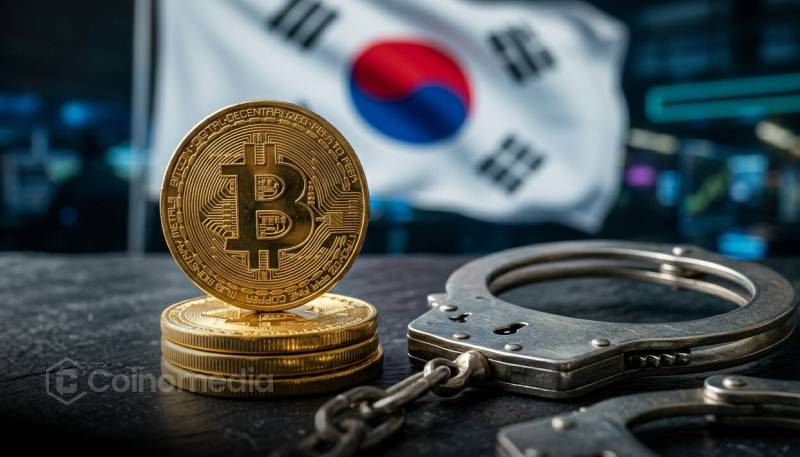
- South Korea enforces 5-minute checks to stop phantom Bitcoin.
- Taiwan considers Bitcoin as backup during crisis scenarios.
- Crypto gains attention as a tool for financial security.
South Korea has introduced strict monitoring measures to improve transparency in the crypto market. Authorities now require exchanges to conduct checks every five minutes to prevent the creation of so-called “phantom” Bitcoin—assets that appear in systems without proper backing.
This move aims to protect investors and ensure that all Bitcoin transactions are fully verified. Regulators are focusing on eliminating gaps that could allow manipulation or inaccurate reporting of crypto holdings. With this system, any mismatch in balances or suspicious activity can be detected almost instantly.
The decision reflects South Korea’s ongoing effort to lead in crypto regulation while maintaining trust in digital assets. By tightening oversight, the country hopes to set a global example for safer cryptocurrency trading environments.
Taiwan Looks at Bitcoin for Crisis Preparedness
At the same time, Taiwan is exploring a different use case for Bitcoin. Reports suggest that officials and experts are encouraging the government to consider Bitcoin as a financial backup in case of geopolitical conflict, particularly involving China.
The idea is simple: Bitcoin operates independently of traditional banking systems. In a crisis where financial infrastructure may be disrupted, decentralized assets like Bitcoin could provide an alternative way to store and transfer value.
This discussion highlights how cryptocurrencies are evolving beyond trading and investment tools. They are increasingly seen as strategic assets that can offer resilience during uncertain times.
Crypto’s Growing Role in Global Security
Together, these developments show a broader trend across Asia. Governments are not only regulating Bitcoin more strictly but also recognizing its potential role in national security and economic stability.
South Korea’s focus is on control and transparency, while Taiwan’s interest lies in flexibility and resilience. Both approaches underline the growing importance of Bitcoin in today’s financial landscape.
As global tensions and digital innovation continue to rise, Bitcoin may play an even bigger role—not just in markets, but in how countries prepare for the future.