Beyond AI Cryptos: How Qubetics, Polkadot & Stellar Are Redefining Blockchain Utility
Discover how Qubetics, Polkadot & Stellar are redefining blockchain utility beyond AI cryptos, driving real-world adoption and innovation in Web3.

AI cryptos are making headlines, but let’s be real—not every blockchain project needs artificial intelligence to be groundbreaking. While AI cryptos are soaking up attention, some of the most disruptive and valuable blockchain projects are flying under the radar. Qubetics, Polkadot, and Stellar are not AI-focused, yet they are fundamentally reshaping the blockchain space in ways AI alone simply can’t.
Polkadot is advancing blockchain interoperability, allowing multiple networks to communicate seamlessly. Stellar is revolutionizing cross-border payments, cutting out expensive intermediaries. And Qubetics? It’s taking asset tokenization to the next level, bridging real-world finance with decentralized security. These aren’t AI cryptos, but they are the ones delivering real-world, lasting value.
For those looking to move beyond the AI hype and tap into blockchain projects that offer tangible benefits, Qubetics, Polkadot, and Stellar stand out as the true market disruptors.
Qubetics ($TICS): Transforming Blockchain with Real-World Asset Tokenization
One of the biggest flaws in crypto is the gap between digital assets and real-world value. Qubetics is solving that with its Real-World Asset (RWA) Tokenization Marketplace, allowing businesses, professionals, and individuals to tokenize and trade real-world assets securely on-chain.
Imagine a real estate developer in Argentina tokenizing property, enabling buyers to own fractional shares without dealing with endless paperwork. Or a gold trader in Brazil using Qubetics’ blockchain to verify authenticity and ownership. This isn’t speculation—this is real financial infrastructure being built.

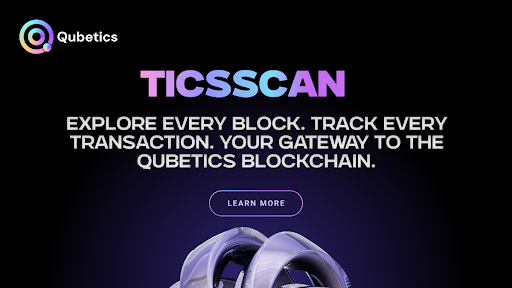
Beyond tokenization, Qubetics has developed TICSScan, a comprehensive blockchain explorer that gives detailed insights into transactions, smart contracts, and validator performance. Think of it as the Google of Qubetics, offering transparency and trust in every transaction.
The crypto presale is currently in its 23rd stage, having sold 490 million+ tokens to over 21,500 holders, raising more than $14.1 million. Right now, anyone can grab $TICS tokens at $0.0888.
For those wondering about returns, Qubetics’ growth potential is undeniable:
- $TICS at $0.25 at presale end → 181% ROI
- $TICS at $1 after presale → 1026% ROI
- $TICS at $5 after presale → 5530% ROI
- $TICS at $10 after presale → 11,160% ROI
- $TICS at $15 after Mainnet Launch → 16,791% ROI
Those who understand blockchain’s real-world utility are already getting in—before the masses catch on.
Polkadot ($DOT): The Multi-Chain Powerhouse
Blockchain networks often operate in silos, making cross-chain transactions complex and inefficient. Polkadot solves this with its parachain technology, enabling seamless communication and data sharing between blockchains.
This means a DeFi platform on Ethereum can interact with NFT marketplaces on Solana, or a gaming token on Avalanche can be used on a Binance Smart Chain dApp—all through Polkadot’s relay chain.
With several new parachains set to launch in 2025, Polkadot’s network expansion is expected to drive significant adoption. The more parachains onboard, the stronger Polkadot’s ecosystem and market position become.
For those seeking a future-proof blockchain, Polkadot isn’t just another AI crypto—it’s the glue holding Web3 together.

Stellar ($XLM): The Future of Cross-Border Transactions
Sending money across borders is still painfully slow and expensive. Traditional banking systems charge high fees and take days to process transactions. Stellar (XLM) eliminates these inefficiencies by offering instant, low-cost cross-border payments.
Imagine a freelancer in Colombia getting paid instantly from Europe or a family in Venezuela receiving remittances without losing 10% in fees. Stellar’s decentralized payment network is making financial access borderless and affordable.
Right now, Stellar is navigating a descending channel pattern, indicating a bearish phase. The price has fallen below the 61.8% Fibonacci retracement level, with $0.2056 as the next key support. While short-term volatility is a factor, Stellar’s long-term use case remains unshaken.
For those seeking practical, decentralized payment solutions, Stellar is one of the strongest blockchain projects today.
Final Thoughts
The blockchain space is bigger than AI cryptos, and the real innovation is happening with Qubetics, Polkadot, and Stellar. These projects aren’t just trends—they’re long-term drivers of blockchain adoption.
For those looking for real utility, scalability, and financial transformation, the choice is clear. The question is—will you be ahead of the curve?

For More Information:
Qubetics: https://qubetics.com
Telegram: https://t.me/qubetics
Twitter: https://x.com/qubetics
FAQs
1. What makes Qubetics different from other tokenization platforms?
Qubetics offers real-world asset tokenization with TICSScan for transaction transparency, making it a game-changer in digital finance.
2. How does Polkadot improve blockchain interoperability?
Polkadot’s parachain technology enables multiple blockchains to communicate and share data, creating a more connected Web3 ecosystem.
3. Why is Stellar important for cross-border payments?
Stellar offers fast, low-cost international transactions, eliminating banking inefficiencies and reducing transfer costs for users worldwide.
4. What is the current Qubetics presale price?
Qubetics is priced at $0.0888 per token in its 23rd presale stage, with over $14.1 million raised.
5. Are AI cryptos better investments than these projects?
While AI cryptos have hype, Qubetics, Polkadot & Stellar offer proven blockchain utility, solving real-world financial and technological challenges.