Iran Turns to Bitcoin and Tether for Trade Under Sanctions
Iran has reportedly eased currency controls and is increasingly using Bitcoin and Tether to support trade amid ongoing U.S. sanctions, according to the Financial Times.

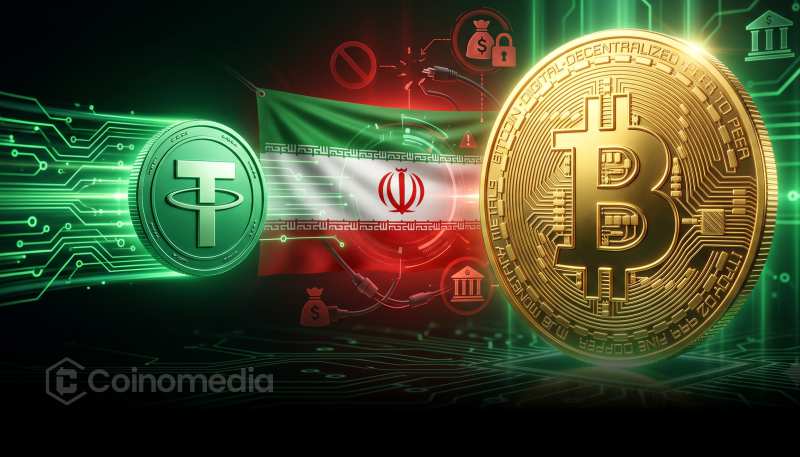
- Iran has reportedly relaxed currency controls to facilitate trade.
- Businesses are increasingly using Bitcoin and Tether (USDT) for cross-border transactions.
- The shift comes as the country continues to face U.S. sanctions and trade restrictions.
Iran has reportedly begun relaxing currency controls while increasing the use of Bitcoin (BTC) and Tether (USDT) to help keep international trade flowing under ongoing U.S. sanctions and economic restrictions, according to the Financial Times.
The report says digital assets are playing a growing role in facilitating cross-border transactions where access to traditional financial channels remains limited. Cryptocurrencies offer an alternative payment method that can operate outside conventional banking systems.
The move reflects the increasing use of digital assets in international commerce under challenging financial conditions.
Bitcoin and Tether Gain Importance
According to the report, Tether and Bitcoin are being used to support trade settlements as businesses seek faster and more flexible payment options.
Stablecoins such as USDT are often favored for international transactions because they are designed to maintain a stable value, while Bitcoin provides a decentralized payment network that can facilitate transfers across borders. The reported policy shift highlights how digital assets are becoming part of broader trade and payment strategies.
The development underscores the growing intersection between geopolitics and cryptocurrency adoption.
Crypto’s Role in Global Trade Continues to Grow
The latest Iran crypto trade report highlights the expanding role of cryptocurrencies in cross-border commerce.
As sanctions, capital controls, and payment restrictions reshape global trade, businesses and governments are increasingly exploring blockchain-based payment solutions. Market participants will continue watching whether similar approaches emerge in other regions facing financial constraints.