S&P 500 Sinks as Iran War Shakes Markets
The S&P 500 closed at its lowest level of 2026 as the Iran war pushed oil higher and erased about $3.2 trillion in market value.

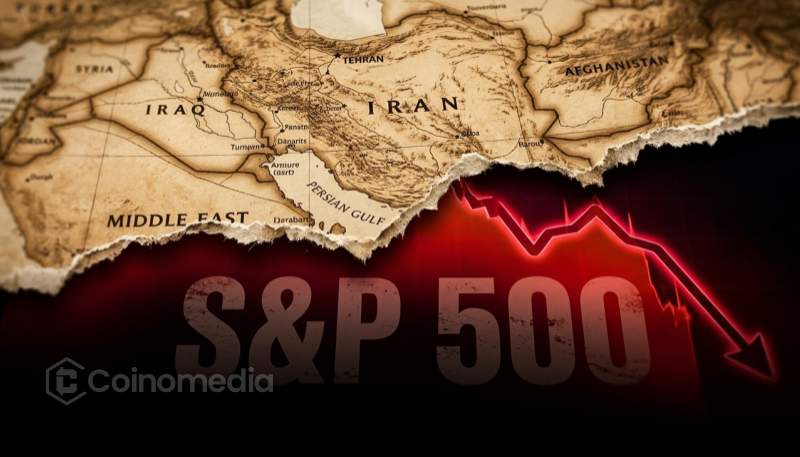
- The S&P 500 closed at a six-month low on March 20, 2026.
- U.S. stocks have lost roughly $3.2 trillion since the war with Iran began.
- Rising oil prices and inflation fears are now driving market sentiment.
Market Drop Sparks Fresh Investor Fear
The S&P 500 Iran war narrative took center stage as U.S. markets ended the week with heavy losses. The index slipped to its lowest closing level of 2026, reflecting growing anxiety among investors.
Since the conflict began, markets have reacted sharply to uncertainty. The total loss in market value has reached an estimated $3.2 trillion, showing just how sensitive equities are to geopolitical tensions.
This drop is not just about numbers—it reflects fear spreading across global financial markets. Investors are moving cautiously, shifting funds into safer assets while reducing exposure to riskier stocks.
Oil Prices Add Pressure on Stocks
One of the biggest triggers behind the S&P 500 Iran war selloff is the surge in oil prices. As tensions in the Middle East rise, supply concerns have pushed crude prices higher.
Higher oil prices often lead to increased costs for businesses and consumers. This creates a ripple effect across the economy, raising inflation concerns. When inflation rises, central banks tend to keep interest rates higher for longer, which can hurt stock market performance.
Technology and growth stocks have been among the hardest hit, as they are more sensitive to interest rate expectations. This has added further pressure to the broader market decline.
What Investors Are Watching Next
Looking ahead, the direction of the S&P 500 Iran war trend depends on how the situation unfolds. If tensions escalate further, markets could see continued volatility.
Investors are closely monitoring oil prices and central bank signals. Any signs of easing tensions could help stabilize markets, while prolonged conflict may deepen the selloff.
For now, uncertainty remains the key driver. The market is reacting not only to current events but also to what could happen next, making the coming weeks critical for global equities.
Read Also:
- BlockDAG Joins NEAR and Solana as Top Crypto To Buy This Month – Play, Mine, Stake, and Build in One Ecosystem
- HSBC RedCoin Stablecoin Targets P2P and Merchant Payments
- September 29 ETF Flows: Bitcoin Leads With $66M Inflow
- Amaze Holdings (NYSE: AMZE) Executes Binding LOI to Acquire BullionFX | Alchemy, a Decentralized Gold-Backed Financial Ecosystem for Valued at US$155 Million
- Vana Completes Expanded Staking as Part of the Vega Upgrade, Publishes Expanded VANA Token Economics