Community Power Drives XRP Ledger Ecosystem 2026 Vision
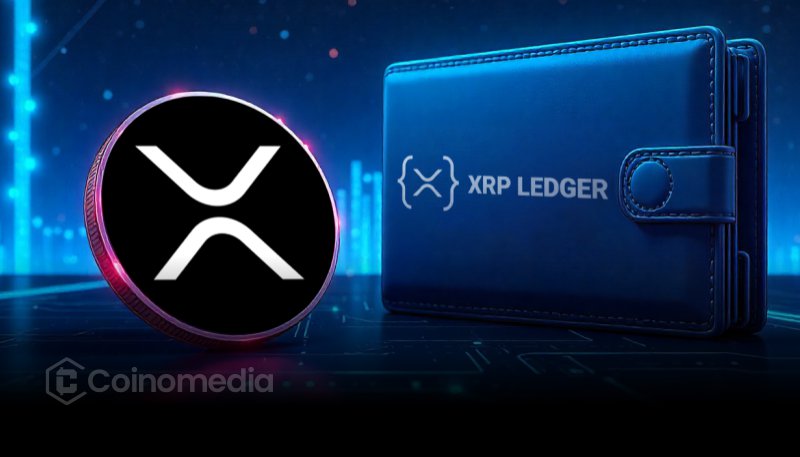
Ripple shares its XRP Ledger ecosystem 2026 roadmap, highlighting a shift to community-led funding and decentralized growth.

- Ripple plans a more community-driven funding model by 2026.
- Grants and ecosystem support will become more decentralized.
- Developers and contributors gain greater influence over growth.
Ripple has revealed an ambitious roadmap that reshapes how funding and development will work across its blockchain network. Instead of relying heavily on centralized decision-making, the company plans to gradually shift toward a distributed and community-led structure.
This transition is central to the XRP Ledger ecosystem 2026 strategy. The goal is simple: empower developers, validators, and contributors to take a larger role in deciding which projects receive funding and support. By doing this, Ripple hopes to create a more open and resilient system that can grow organically.
The move reflects a broader trend in crypto, where decentralization is not just a technical feature but a governance principle. Ripple appears ready to apply that principle more deeply across its ecosystem.
Funding Changes in the XRP Ledger ecosystem 2026 Roadmap
One of the most important elements of the XRP Ledger ecosystem 2026 plan is the evolution of its funding model. Historically, Ripple has played a key role in distributing grants and backing projects. By 2026, however, more decision-making power is expected to shift toward independent community bodies and structured grant programs.
This could mean the creation of decentralized committees or foundations that review proposals and allocate resources. Developers building decentralized apps, payment tools, or financial solutions on the XRP Ledger may benefit from clearer and more transparent funding pathways.
Such a system can also increase trust. When funding decisions come from a broader group rather than a single entity, the ecosystem becomes more balanced. It reduces reliance on one organization and strengthens long-term sustainability.
What This Means for Developers and Investors
For developers, the XRP Ledger ecosystem 2026 roadmap signals greater opportunity and responsibility. Builders may have more influence over priorities, upgrades, and ecosystem direction. At the same time, they may need to participate more actively in governance processes.
Investors and token holders could also see this as a positive step. A more decentralized funding structure may reduce regulatory pressure and improve the perception of independence within the network.
Overall, Ripple’s strategy suggests that the future of the XRP Ledger will depend less on corporate leadership and more on community collaboration. If successful, this shift could position the network as a stronger competitor in the evolving blockchain space.
Read Also :
- BlockDAG Triggers Buyback Upgrade With 72-Hour Window, While Avalanche & Chainlink Rally
- Cardano Price To Hit $0.60 Before December; Latest On XRP Price Prediction & BlockDAG News
- Top Crypto Favorites With 5000x Growth Potential: XRP, Litecoin, and BlockDAG (BDAG)
- Ethereum Exchange Supply Hits Record Low of 3.49%
- Crypto Market Is on the Rise – HYPE Is Up 20%, Solana Rises 16%, While INVEST Network (INVST) Presale Crosses $7M