Address Poisoning Scam Targets Crypto Users
Learn how an Address Poisoning Scam works and how scammers use fake wallet history to trick crypto users into sending funds.

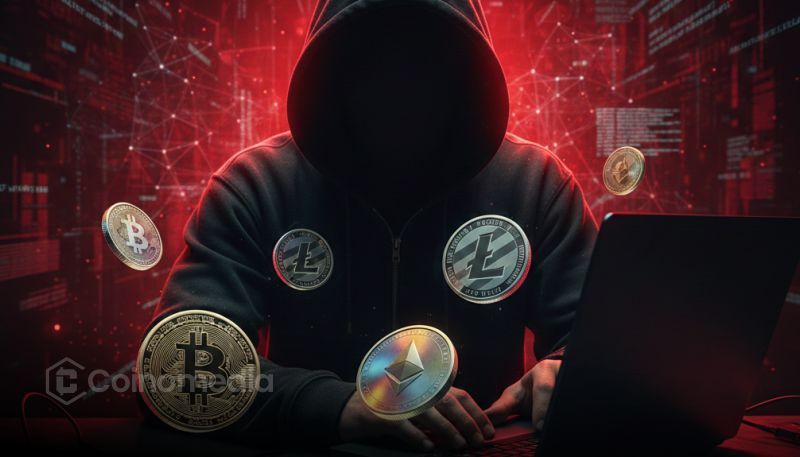
- Scammers send tiny transactions from look-alike wallet addresses.
- The goal is to trick users into copying the wrong address.
- No hacking involved — it’s pure social engineering.
Crypto users are being warned about a clever tactic known as an Address Poisoning Scam. Instead of hacking wallets or stealing private keys, scammers rely on deception and human error.
Here’s how it works. A scammer creates a wallet address that looks almost identical to yours or to an address you frequently interact with. They then send a tiny amount of crypto — often just a few cents — to your wallet. This transaction shows up in your history.
Later, when you want to send funds, you might scroll through past transactions and copy what looks like a familiar address. If you’re not careful, you could copy the scammer’s look-alike address instead of the correct one. Once the funds are sent, they’re gone.
There’s no malware. No password breach. Just precision social engineering.
Why This Trick Is So Effective
Wallet addresses are long strings of letters and numbers. Most users only check the first few and last few characters. Scammers know this and design addresses that match those visible sections.
Because blockchain transactions are public, scammers can easily monitor activity and target active wallets. By sending multiple small “dust” transactions, they increase the chance that their fake address appears near legitimate ones in your history.
The scam works because it exploits convenience. Many users prefer copying from their transaction history instead of pasting from a trusted source.
How to Protect Yourself
Staying safe from an Address Poisoning Scam is simple if you build careful habits:
- Always verify the full wallet address before sending funds.
- Use saved and labeled addresses in your wallet app.
- Double-check both the first and last characters.
- Consider sending a small test transaction for large transfers.
Crypto security is not just about protecting private keys. It’s also about avoiding small mistakes that scammers hope you’ll make.
As blockchain adoption grows, these subtle scams are becoming more common. Awareness is your best defense.
Read Also :
- Exchange ETH to XMR in 2026: 5 Best Ways to Swap Ethereum to Monero (and XMR to ETH)
- Exchange BTC to XMR in 2026: 7 Best Ways to Convert Bitcoin to Monero Without KYC
- 8 Best Ways to Buy Monero Without KYC in 2026: BTC to XMR Step by Step
- Bybit Secures VARA Licence for Exchange Services in Dubai
- Solana Stablecoin Volume Hits $5 Trillion in 2026