US Government Faces Partial Shutdown Amid Budget Stalemate
The US government enters a partial shutdown as lawmakers fail to reach a funding deal.

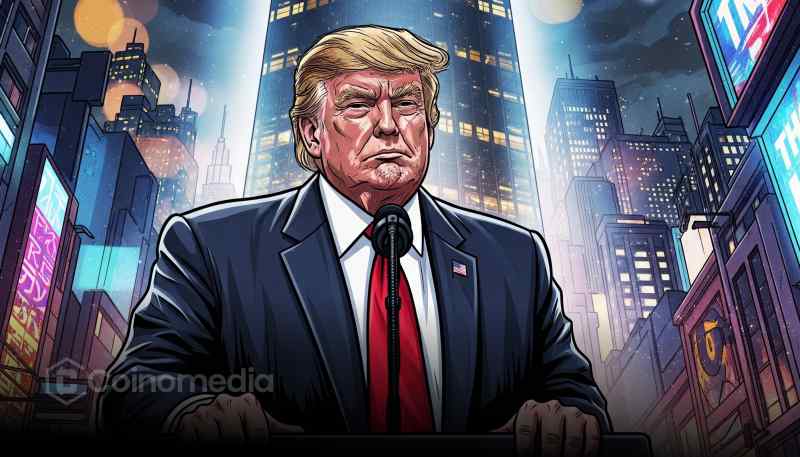
- Budget impasse triggers partial federal shutdown
- Key services affected; essential operations continue
- Political gridlock sparks economic and public concern
Washington in Deadlock: What Caused the Shutdown?
The United States government has officially entered a partial shutdown after lawmakers failed to agree on a new budget plan. This marks another high-stakes standoff in Washington, where deep political divisions continue to stall progress on federal funding legislation.
The shutdown stems from prolonged disagreements in Congress over spending priorities. With no consensus in sight, key government operations have now been halted or scaled back. While essential services like national security, air traffic control, and emergency medical care remain active, many federal departments face staffing cutbacks and service suspensions.
Who’s Affected and What’s Still Running?
Millions of Americans will feel the effects of the shutdown, directly or indirectly. National parks may close, passport and visa processing could slow down, and some government workers face furloughs without pay. Public services like IRS support and loan processing may also be impacted.
Meanwhile, “essential” workers—including TSA agents, military personnel, and medical professionals in federal hospitals—are required to work but may not receive pay until the shutdown ends. This has raised concerns about morale and operational strain in these sectors.
For markets, the partial shutdown adds a layer of uncertainty. Investors will be watching for signs of progress in negotiations, while businesses brace for possible ripple effects if the impasse drags on.
What Happens Next?
The shutdown could be short-lived or extended, depending on how quickly lawmakers can negotiate a resolution. In the past, such standoffs have lasted from a few days to several weeks. Public pressure often plays a key role in pushing Congress to reach an agreement.
As the political chess match continues, Americans are left waiting—again—for stability and leadership from their elected officials. Until a deal is reached, disruptions will persist, affecting services, paychecks, and public trust.
Read Also:
- BlockDAG Joins NEAR and Solana as Top Crypto To Buy This Month – Play, Mine, Stake, and Build in One Ecosystem
- HSBC RedCoin Stablecoin Targets P2P and Merchant Payments
- September 29 ETF Flows: Bitcoin Leads With $66M Inflow
- Amaze Holdings (NYSE: AMZE) Executes Binding LOI to Acquire BullionFX | Alchemy, a Decentralized Gold-Backed Financial Ecosystem for Valued at US$155 Million
- Vana Completes Expanded Staking as Part of the Vega Upgrade, Publishes Expanded VANA Token Economics