Trump Plans 10% Cap on Credit Card Interest Rates
Donald Trump vows to cap credit card interest rates at 10% if re-elected, warning companies of legal action for violations.

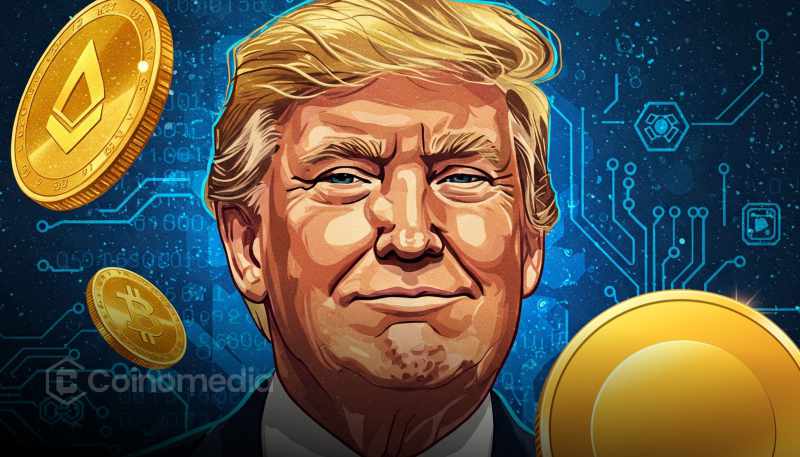
- Trump proposes a legal cap on credit card interest rates at 10%.
- Policy to take effect after January 20 if he wins re-election.
- Credit card companies warned of legal consequences for non-compliance.
Credit Card Giants Face New Limits Under Trump’s Proposal
In a bold move that could shake up the U.S. financial sector, former President Donald Trump has announced plans to limit credit card interest rates to a maximum of 10%. This policy, he stated, would take effect immediately after January 20, 2025 — the date he would return to office if re-elected.
The announcement, made during a campaign speech, directly targets what Trump called “predatory practices” by credit card companies, some of which currently charge annual percentage rates (APRs) exceeding 25%. He declared that any institution charging more than 10% after his return to office would be in “violation of the law.”
A Popular Pitch for Voters Facing High Debt
Trump’s proposal comes as many Americans continue to struggle with rising debt amid inflation and high interest rates. Credit card debt in the U.S. hit over $1 trillion in recent quarters, with average interest rates reaching historic highs. By setting a legal limit, Trump aims to position himself as a champion for working- and middle-class Americans burdened by debt.
Consumer advocates have long criticized sky-high interest rates, but few mainstream politicians have tackled the issue head-on. Trump’s approach appeals to financially stretched voters and may gain traction across party lines.
Industry Reaction and Legal Questions Ahead
Financial institutions and credit card companies are expected to push back, citing concerns about profit margins, risk assessment, and government overreach. Legal analysts note that implementing such a cap may require new legislation, depending on how the rule is enforced.
Still, Trump’s warning sends a clear message: if he returns to power, the credit industry could face serious regulatory changes. This campaign promise adds to his growing list of economic populist proposals aimed at energizing his political base ahead of the 2024 election.
Read Also:
- Bitmine Announces $15.8 Billion in Crypto, Cash and Marketable Securities Holdings
- Bernstein Says New Concessions Could Boost CLARITY Act Support
- South Korea Crypto Tax Delay Petition Triggers Review
- Bitcoin Rally Lacks Strength Without Spot Demand
- Singapore Exchange to Launch Crypto Perpetual Futures for US Institutions