Investors Reprice Scarcity: Bitcoin, Gold & Silver Shift
Investors are repricing scarcity in 2026, valuing Bitcoin, gold, and silver beyond supply alone. What’s changing and why it matters for markets.

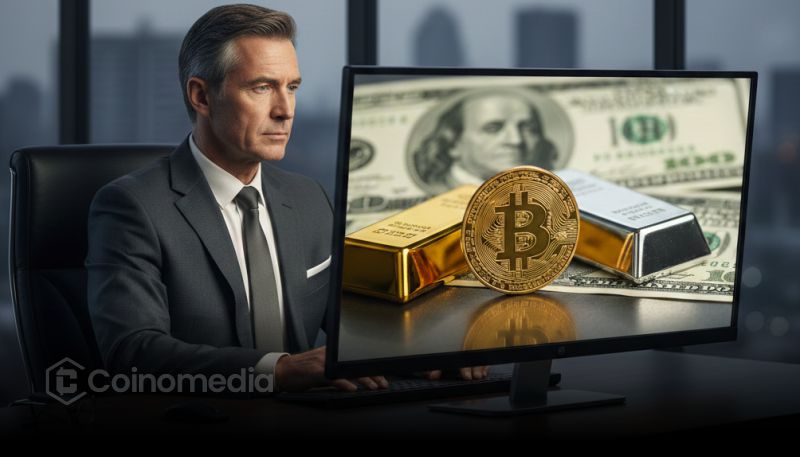
- Scarcity is being priced beyond basic supply limits.
- Bitcoin, gold, and silver see demand drivers evolve.
- New market forces shaping 2026 asset dynamics.
Scarcity has long been a foundational driver for assets like Bitcoin, gold, and silver. Traditionally, scarcity simply meant limited supply — the fewer the units, the higher the potential value when demand rises. In 2026, however, investors are looking deeper. They are assigning value not just based on how limited an asset is, but on how dynamic demand, utility, macroeconomic forces, and investor behavior reshape perceived scarcity.
For Bitcoin, scarcity was always tied to its capped supply of 21 million coins. But now, investors factor in elements like institutional adoption, regulatory clarity, and technological improvements such as scalability and Taproot-related innovations. These demand-side drivers can make Bitcoin feel “scarcer” in economic terms, because more participants are willing to hold long-term, reducing circulating availability. This is a shift from pure supply logic to a blended view of supply and long-term holder demand.
Gold and silver, meanwhile, are also being revalued. Traditionally valued for centuries as stores of wealth and hedges against inflation, these metals now contend with shifting industrial demand, central bank reserves, and digital tokenization efforts. Silver’s dual role as an industrial metal and store of value, for example, adds complexity to how scarcity is priced — a surge in clean-energy tech demand can tighten physical supply and lift prices independent of traditional investment demand.
Why This Shift Matters for Investors
This repricing of scarcity matters because it changes how portfolios are constructed. Investors can no longer assume that limited supply alone guarantees future returns. Instead, they must consider broader factors:
- Demand Elasticity: If demand grows faster than expected — driven by technology, regulation, or macro stress — assets can become “effectively scarcer,” pushing prices higher.
- Utility and Adoption: Assets that gain more real-world use cases or institutional backing command premiums beyond what supply numbers suggest.
- Macro Environment: Inflation rates, interest policy, and geopolitical tensions can quickly shift how scarcity is valued. Gold and silver often see inflows when inflation concerns rise, while Bitcoin attracts attention during currency devaluation narratives.
Understanding these dynamics helps investors diversify wisely, assess risk-adjusted returns, and recognize when markets are pricing non-supply scarcity drivers into asset values.
What Investors Should Watch Next
In 2026, keep an eye on:
- Regulatory moves: Especially for Bitcoin and digital assets.
- Industrial demand data: Particularly for silver.
- Central bank reserve strategies: Their gold buying or selling patterns signal confidence.
- Long-term holding trends (Bitcoin HODLers): Reduced circulating supply can impact price.
By recognizing that scarcity now includes demand-side and macro drivers, investors are better positioned to anticipate market shifts and allocate capital where value is emerging — not just where supply is fixed.
Read Also :
- Bitcoin Whale Wallets Hit Record 20,338, Santiment Says
- Bitcoin $80.4K Support Faces Test as October Struggles
- CoreWeave, Broadcom Push Back on OKXICE Tokenized Stocks
- Bitcoin ETF Inflows Hit $5.06M as Ethereum Loses $60M
- ChangeNOW Announces NOW AI After Resolving Website Integration Vulnerability