Russia Allows Crypto-Tied Products for Qualified Investors
Russia permits crypto-linked financial products for qualified investors, but only under strict non-deliverable conditions.

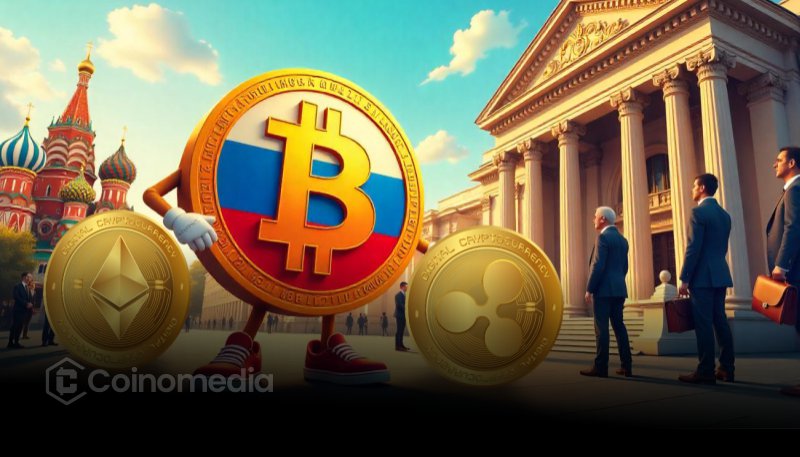
- Russia opens crypto investment for qualified investors
- Only non-deliverable crypto products are allowed
- Derivatives and backed securities fall under new rule
Russia’s central bank has taken a cautious yet significant step into the world of digital assets. It will now allow financial institutions to offer crypto-tied financial products—but with strict limitations. These products must be non-deliverable, meaning investors can gain exposure to cryptocurrency prices without actually owning the digital assets themselves.
This move comes as global interest in crypto continues to rise, and while Russia maintains a tough stance on general cryptocurrency usage, the new rules signal a willingness to integrate certain crypto-linked instruments into its regulated financial system.
Non-Deliverable, Strictly Controlled Instruments
According to the Bank of Russia, the only permissible offerings are non-deliverable instruments. This includes financial products such as derivatives or securities whose value is based on crypto assets, but cannot be settled in cryptocurrency. Instead, these contracts must be settled in traditional currencies like the ruble.
Moreover, these products must be fully backed and limited in scope. This restriction ensures that the risk exposure for investors and the financial system remains controlled. Financial institutions are required to provide these products only to “qualified investors,” a category that typically includes high-net-worth individuals or institutions with the financial expertise and capacity to manage such risks.
Russia’s Balanced Crypto Strategy
Russia has long expressed concern about cryptocurrencies, often citing their use in illegal activities and their potential to undermine monetary policy. However, by allowing crypto-tied financial products in a non-deliverable format, the central bank is trying to strike a balance. It aims to give professional investors access to new opportunities without destabilizing the financial system or fully embracing decentralized digital currencies.
This regulatory development could pave the way for more structured crypto exposure in Russia, as long as it remains within a tightly regulated environment. It also signals a cautious openness to financial innovation without endorsing full crypto adoption.
Read Also :
- Exchange BNB to XMR in 2026: 5 Best Ways to Swap BNB to Monero Without KYC
- Exchange BTC to ATOM in 2026: 5 Best Ways to Swap Bitcoin to Cosmos Without KYC
- Exchange SOL to XMR in 2026: 5 Best Ways to Swap Solana to Monero Without KYC
- Hyperliquid Revenue Hits $713M as Yan Eyes Tokenization
- Bitcoin Price Rebound Fades as BTC Drops to $76,800